

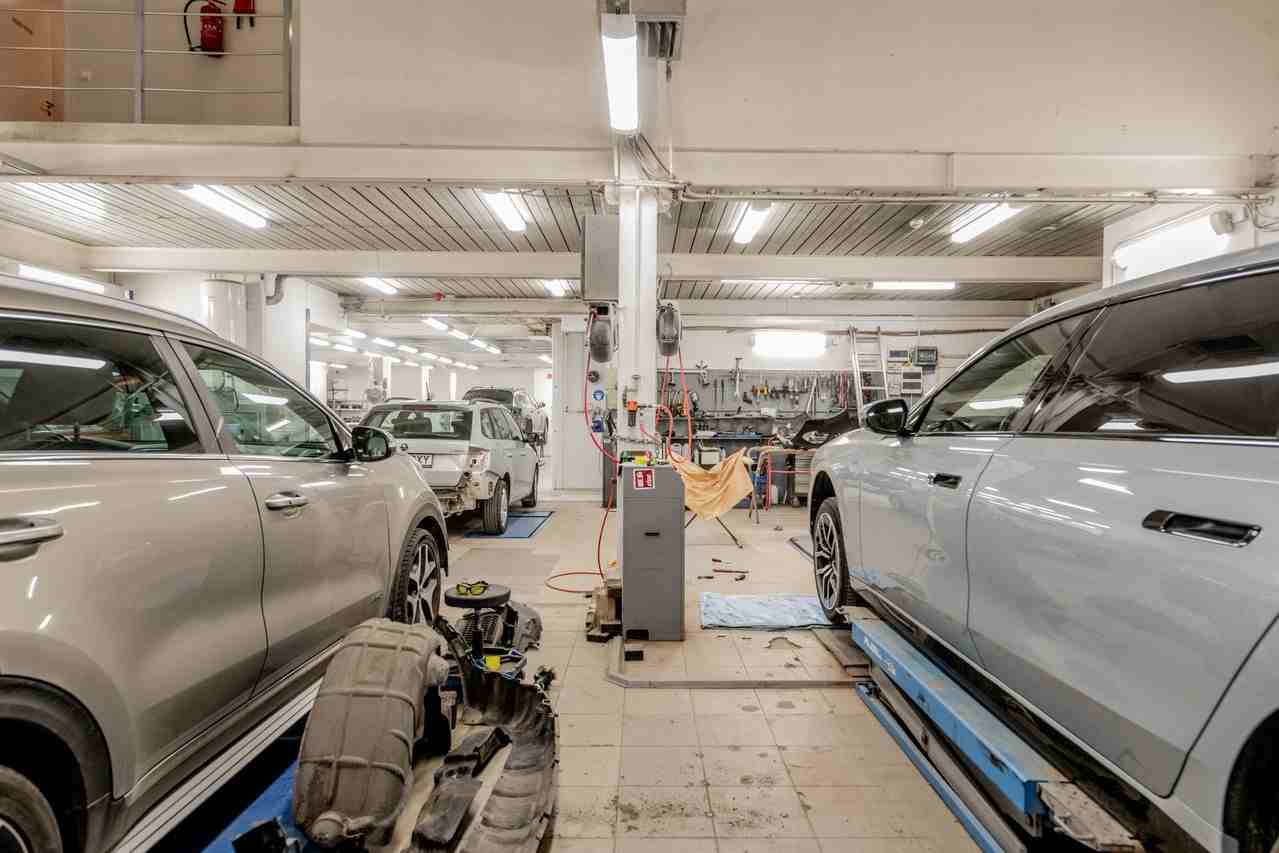
For most independent garages, electric vehicles have been a problem for later. Main dealers handled the warranty work, and the cars that rolled through the workshop door were overwhelmingly petrol and diesel. That picture is changing quickly. According to the Society of Motor Manufacturers and Traders (SMMT), 110,761 used battery electric cars changed hands in the second quarter of 2026, a rise of 67% on the year before. One in every 18 used cars sold is now fully electric, and as those vehicles age out of manufacturer warranty, they will be looking for somewhere local and affordable to be serviced and repaired.
The question is whether the independent sector will be ready. The Institute of the Motor Industry (IMI) reports that 74,734 technicians, around 35% of the UK workforce, now hold an EV qualification. Yet the pace of new certifications is slowing. Just 2,792 technicians qualified in the final quarter of 2025, down 17% on the same period a year earlier, and the IMI projects a shortfall of more than 43,000 EV-qualified technicians by 2035.
For garage owners, that gap is both an opportunity and a cash flow challenge. High-voltage diagnostic equipment, insulated tooling, battery lifting tables, training courses and technician time away from the ramp all need paying for months before the first EV job is invoiced. Whether the money comes from reserves, asset finance or an automotive business loan, the investment deserves the same discipline as any other capital project: work out the payback first, then match the funding to it.
Table of Contents
Why the investment can pay
The commercial case is stronger than many owners assume. Kevan Wooden, chief executive of LKQ Euro Car Parts, has argued that EV work lets independents step out of a petrol and diesel market where quotes are fought over by a few pounds, and compete instead against main dealer labour rates, which are considerably higher. He suggests garages focus on two or three vehicle brands rather than trying to cover dozens, accepting lower volume in exchange for better margins.
The skills shortage strengthens that argument. When qualified capacity is scarce, a workshop that has it can price accordingly and build a reputation before competitors catch up.
Why the timing is tight
The difficulty is that this investment lands on businesses already under pressure. In The Motor Ombudsman’s annual survey of independent garages and dealer workshops, 92% of repairers named rising operating costs as their biggest obstacle for 2026, and 45% expected recruitment to remain difficult. Insurance and fleet work, often paid on 30, 60 or even 90-day terms, adds further strain. Spending tens of thousands of pounds on equipment while waiting on unpaid invoices is how otherwise healthy workshops run into trouble.
Practical steps before you commit
- Start with your own data. Review your job cards and the enquiries you have turned away over the past year. If hybrid and electric vehicles are already asking for your time, you have early evidence of demand.
- Pick your brands. Look at which makes are most common in your area and specialise. Brand-specific diagnostic software and training are far easier to justify for a focused offer.
- Phase the spend. Safety training and protective equipment come first, followed by diagnostics, then battery-level repair. Each stage should start earning before the next begins.
- Match the finance to the asset. Equipment that will last five years should not sit on an overdraft. Longer-term finance suits capital kit, while short-term working capital can cover the training period.
- Build a buffer for the ramp-up. Expect a few quiet months while technicians are on courses and EV bookings build. Plan for that dip rather than hoping it will not happen.
- Make yourself findable. Once qualified, list your technicians on the IMI TechSafe register and say so clearly on your website. EV drivers actively search for qualified garages.
The bottom line
The shift to electric will not empty independent workshops overnight. Petrol and diesel still account for most used car sales, and that work will continue for years. But the garages that thrive through the 2030s will be the ones that treated EV readiness as a planned business decision rather than a reaction. Understanding the local demand, choosing where to specialise and putting sensible funding in place now means being ready when the next electric car pulls onto the forecourt, rather than turning it away.
