Table of Contents
Engineering expertise is vital to modern metal casting. It determines how materials behave, how designs are executed, and how performance targets are met. In complex manufacturing environments, this expertise becomes a practical necessity rather than a competitive claim. The focus is on process understanding, material science, and dimensional accuracy.
Steel, aluminium, and nickel alloys are widely used across demanding industries. Each material brings unique challenges. Steel requires strength and wear resistance. Aluminium demands lightweight performance and corrosion control. Nickel alloys are chosen for extreme temperature and stress conditions. Engineering knowledge ensures these materials are cast correctly and consistently.
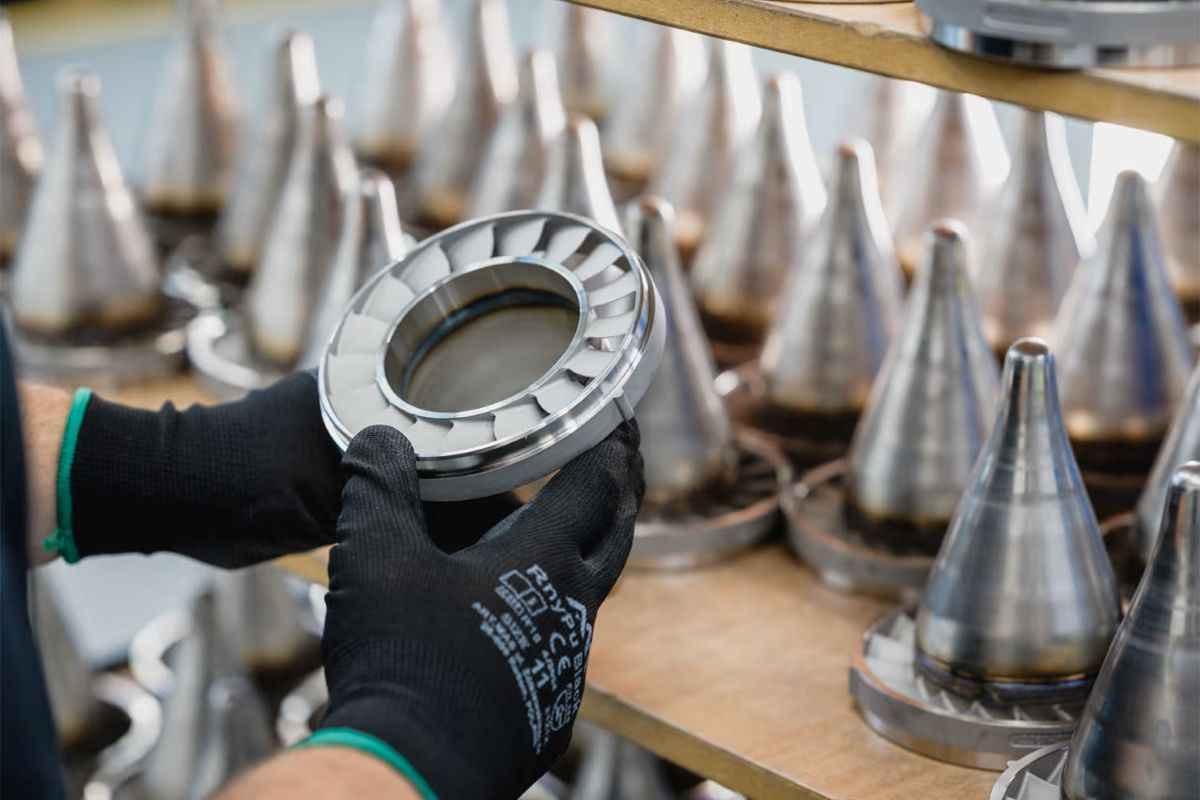
In this context, investment casting enables the production of complex shapes with tight tolerances. Engineers must understand mould behaviour, thermal expansion, and solidification patterns. Without this foundation, defects can occur. Strong engineering practices help minimise risk, improve reliability, and ensure components meet functional requirements without excessive finishing.
Steel castings are used where strength and durability are critical. Engineering expertise ensures that mechanical properties align with application requirements. Factors such as alloy selection, heat treatment, and cooling rates directly affect performance. Each decision must be based on calculated outcomes rather than assumptions.
Investment casting supports the production of steel components with complex geometries. Thin sections, internal passages, and fine details can be achieved without compromising strength. Engineers must design moulds that efficiently manage metal flow. Poor flow can lead to porosity or incomplete fills. Properly designed and installed gating and riser systems are essential.
Dimensional stability is another key concern. Steel expands and contracts significantly during casting and cooling. Engineers account for this behaviour during pattern design. Accurate allowances help achieve final dimensions without excessive machining.
Steel castings are commonly used in automotive, industrial machinery, and energy systems. In these applications, failure is not an option. Engineering expertise ensures that each component performs reliably under load, pressure, and repeated stress.
Aluminium is valued for its low weight and corrosion resistance. It supports energy efficiency and ease of handling. However, it presents its own engineering challenges. Aluminium flows differently from steel. It cools rapidly and is sensitive to contamination. Engineering control is essential at every stage.
Through Investment Casting, aluminium components can be produced with smooth surfaces and precise details. Engineers must manage temperature carefully. Overheating can cause shrinkage defects. Insufficient heat can result in misruns. Balancing these factors requires experience and accurate process data.
Design plays a significant role in aluminium casting. Thin walls and complex shapes are possible, but only when supported by proper engineering analysis. Stress points must be identified early. Uniform wall thickness helps reduce distortion.
Aluminium castings are widely used in automotive systems, electronics housings, and aerospace components. In these sectors, weight reduction improves efficiency and performance. Engineering expertise ensures that lightweight design does not compromise structural integrity or long-term reliability.
Nickel alloys are chosen for environments where heat, pressure, and corrosion are constant challenges. These materials are used in aerospace engines, power generation, and chemical processing equipment. Engineering expertise is critical due to the complexity of these alloys.
Nickel alloys have high melting points and low fluidity. This makes casting more demanding. Engineers must design moulds that allow controlled filling and solidification. Ceramic shell strength is essential. Any weakness can lead to cracking or distortion.
Investment Casting is well-suited to nickel alloys due to its precision and repeatability. Engineers rely on simulation tools to predict metal behaviour. Cooling rates are carefully controlled to avoid internal stress. Post-casting heat treatments are often required to achieve the desired microstructure.
Inspection is another critical step. Nickel alloy components must meet strict standards. Non-destructive testing helps identify internal defects. Engineering teams interpret these results to refine future processes. This cycle of analysis and improvement supports consistent quality in demanding applications.
Engineering expertise extends beyond material handling. It influences the entire production workflow. Process integration ensures that design, casting, finishing, and inspection work together. Gaps between these stages increase the risk of errors.
Quality control is embedded throughout the casting process. Engineers define inspection points and acceptance criteria. Dimensional checks confirm accuracy. Surface inspections identify visible flaws. Internal testing verifies structural integrity. These steps are not optional. They are essential for reliability.
Standards and documentation support consistency. Process parameters are recorded and reviewed. Deviations are analysed rather than ignored. This approach allows continuous improvement without unnecessary complexity.
Across steel, aluminium, and nickel castings, engineering expertise provides structure and predictability. It supports informed decision-making. It reduces waste and rework. Most importantly, it ensures that components meet real-world demands. In an industry where precision matters, engineering knowledge remains the foundation of dependable manufacturing.
Older people across the UK could receive up to £300 towards their heating bills this…
Making Tax Digital for Income Tax is changing how self-employed people keep records and report…
Whatever market sector your business operates in, brand recognition is the golden ticket which makes…
Pressure is mounting on Prime Minister Andy Burnham to decide the future of the NHS's…
Clinics in established medical tourism markets commonly bundle non-clinical services into treatment pricing under the…
A parliamentary by-election does not normally make a London neighbourhood unsafe. For people living, working…
