Shopify eCommerce
A Shopify store is all you need if you’re looking forward to introducing your brand and increasing sales in the long run. Launching or setting up a Shopify store does not require more coding skills.
The Shopify e-commerce platform has a simple and easy-to-use interface that you can follow and launch your store to get everything on the right track.
Apart from taking the help of award-winning London Shopify agencies, you will need this checklist to make it work. Here is a step-by-step guide to help you launch your Shopify store in just minutes.
Table of Contents
A domain name is a must-have item when launching your Shopify store. Before you can plan to launch your online store, you will need an address representing your business online – this is what you call a domain name. When choosing a domain name for your business, ensure it is brief, neat, and straightforward.
There are several domains and name generator tools that you can use to develop a business and domain name for your online store. This will help you save time when choosing a domain.
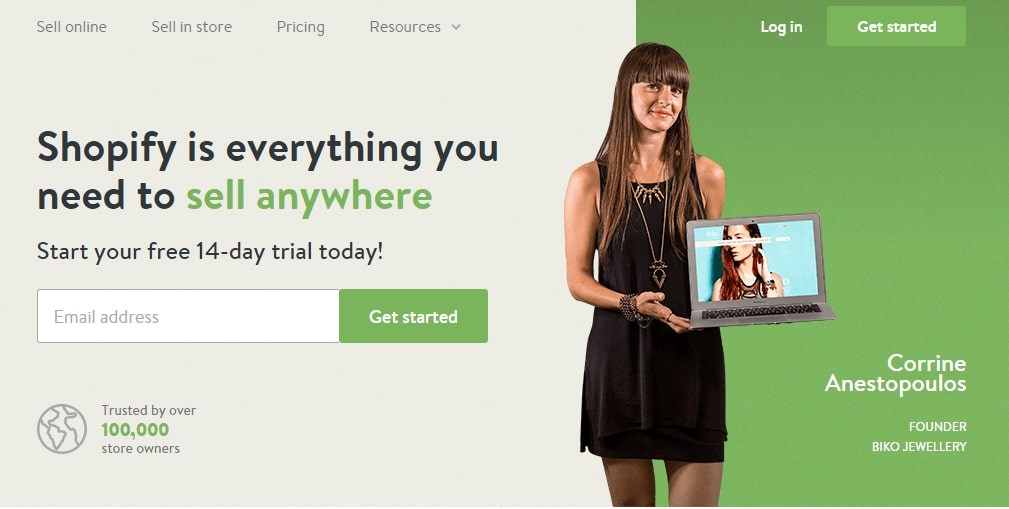
With a proper domain name, you can now proceed and sign up for a Shopify account. Navigate to the free trial, and enter your email address and password. When registering your Shopify online store, make sure you use the same name as your domain name.
Design a unique logo to make your online store memorable when introducing your brand. This is one way of making your brand unique online. A logo represents your brand and makes you stand out from the rest of the crowd. Therefore, you should take time when designing your logo to reflect your brand identity.
Shopify has a unique logo maker called Watchful that you can use to design your store logo. You can also use other logo makers online that you are more comfortable with.
Once you have your brand logo ready, you should now figure out the products you want to stock online. This means adding products to your Shopify store to get it started. Add product price, details, description, and images to make it easy for customers to buy.
Since your online store is digital, your customers cannot hold the products you are offering. It means customers can only rely on product descriptions to decide on whether to buy or not. Therefore, you should write product descriptions that provide all the essential information that customers need to buy products.
Get some high-quality images of your products and include this alongside the product description. Quality images can increase your conversions. You can use a quality digital camera to capture photos of your products and upload them to your Shopify store.
Once you are done with the product description and pricing, you should now focus on shipping details. Your customers will be placing their orders from their smartphones and will ask for their products to be shipped to their doorstep.
You want to ensure your customers provide you with the correct information for delivering their orders. For digital products like audiobooks and e-books, you should choose to uncheck the “This is a physical product’’ box. Only check this box if you are adding a physical product.
The information page is another vital page you should have on your online store. Shopify provides you with a template that you can use or customize when creating information pages for your online store.
Some of the most critical pages you should have on your website include refund policy, shipping, terms of service, about us, and privacy policy.
When you’re done customizing all the components on your Shopify store, you should now remove all the protected passwords. By default, all online stores are protected by password, and therefore you should remove the password to make your Shopify store open for the customers to visit.
There are a lot of components that are included in a Shopify store. Once you’ve added all the product images. Brand logo, description, price, and other features, you are now ready to launch your site. There are a lot of parts on your Shopify store, and you should double-check all the components to ensure your website is ready and running.
Older people across the UK could receive up to £300 towards their heating bills this…
Making Tax Digital for Income Tax is changing how self-employed people keep records and report…
Whatever market sector your business operates in, brand recognition is the golden ticket which makes…
Pressure is mounting on Prime Minister Andy Burnham to decide the future of the NHS's…
Clinics in established medical tourism markets commonly bundle non-clinical services into treatment pricing under the…
A parliamentary by-election does not normally make a London neighbourhood unsafe. For people living, working…
