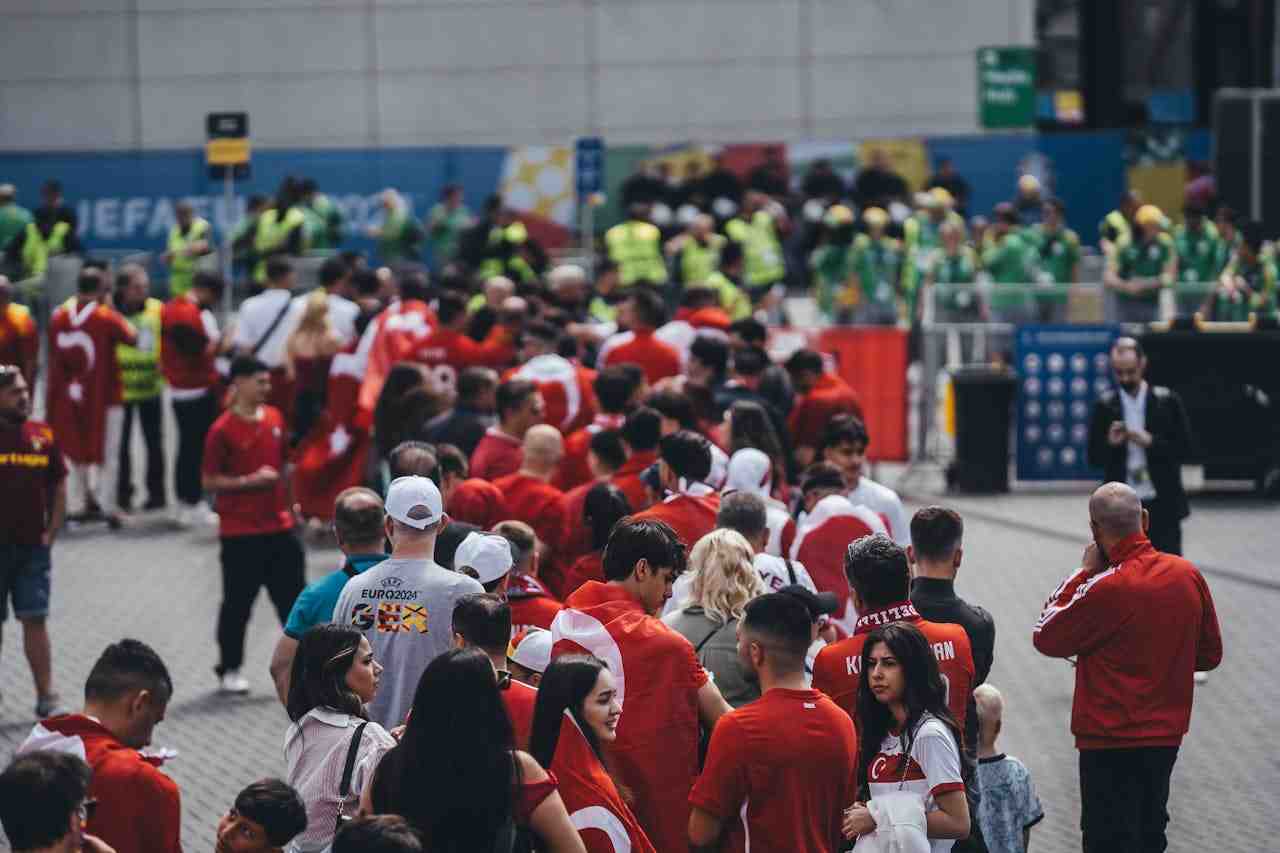
The key focus for any kind of event is that it is carried out safely, before ensuring that the objective of the event is achieved.
Event security teams carry out meticulous planning and have robust procedures in place, which sports fans, corporate executives or festival-goers will never see.
Here, we will take a look at the planning and execution elements that go on behind the scenes in modern event security.
Table of Contents
Every event caters for a different set of people, and the event team needs to understand which demographic is attending, as this will impact their approach and the set of risks that are present or could arise.
The behaviour of people attending a boyband concert will be very different to that of a corporate product launch, or a food and drink festival, for example.
Comprehensive risk assessments will study the site or venue and identify areas of potential vulnerability. They will also assess what control measures are already in place and what needs to be added to ensure a safe event.
This will look at access and exit points, crowd safety measures, the weather and other factors which could affect the safety and security of the attending crowd.
To ensure a coordinated approach and to satisfy compliance requirements, the event team will liaise with the various authorities, such as the police, fire service, ambulance service and the local council.
This will aim to satisfy the requirements of an event licence and to ensure the event is managed and incidents responded to with a harmonised plan.
The site and/or venue has to be designed to manage attendees safely, so the event security team needs to be involved in how entry and exit points are designed, how barriers control people flow and avoid congestion, and whether signage is adequate.
This kind of ‘venue mapping’ sometimes uses AI to model how event attendees might behave and to practice ‘what-if’ scenarios.
Event security teams must have a robust and fully practised emergency plan, which is prepared for all eventualities.
This could be anything from a fire, a medical incident, a crime or an outbreak of violence, for example.
Assembly points and exit routes need to be designated, and coordination with the appropriate emergency services needs to be planned.
Security teams need to be fully briefed on their roles and what to expect on the day. They should have been drilled on emergency procedures, communication protocols and the specifics of their duties.
The event will be overseen by a nominated person who monitors how the event is proceeding, whether this is via CCTV or other communications.
Attendee numbers, congestion points and security vulnerabilities all need to be monitored to ensure a safe and successful event.
Modern event security makes good use of technological solutions such as CCTV, drones, AI analytics, access control systems, communication mediums, detection equipment and scanners.
This all helps to monitor the attendees and the event, to predict behaviour and to enable reactive measures to ensure crowd safety and security.
Post-event evaluation should involve a full debrief of the event to review how it went, analyse data and footage and discuss incidents and what can be learned. The idea of this is to improve security for future events.
Modern event security is sophisticated and proactive to ensure an event passes safely and meets its key objectives.
This requires considerable behind-the-scenes work, which starts long before the event and continues well after the last attendee leaves.
Yes. A key role of professional event security is early intervention. Having a visible security presence, good communication and monitoring crowd behaviour can often prevent minor issues from escalating into more serious incidents.
Stewards generally focus on guidance, customer service and information. Licensed security personnel handle access control, conflict management and incident response in addition to the roles of stewards. However, many events require a combination of both.
Having a visible security presence reassures attendees, deters antisocial behaviour and helps people know where to go if they need assistance. All this can contribute to a safer and more enjoyable event experience.
KFC is also introducing an entirely pickle-based menu. The Pickle mania menu will be implemented…
Why Proper Export Packing Matters Exporting fragile and valuable items requires careful planning. Incorrect packing…
Pallet racking plays a central role in how a warehouse functions day to day. The…
Owning commercial property represents a significant financial and operational commitment. Whether the asset is a…
Exploring island beaches, diving locations, or the energetic city life are all amazing experiences when…
Growth in the mortgage sector requires more than increased case volume. Advisers must balance commercial…
