

Table of Contents
Why Proper Export Packing Matters
Exporting fragile and valuable items requires careful planning. Incorrect packing can lead to breakages, scratches, or complete loss during transit. Even experienced shippers can underestimate the risks involved in moving delicate items internationally. Modern transport methods, including air, sea, and road freight, expose items to varying conditions such as vibration, temperature changes, and pressure shifts.
Using the right materials and following systematic steps is essential. The goal is to protect the item fully while keeping the packaging efficient and cost-effective. Well-planned export packing ensures that items arrive intact, reduces insurance claims, and preserves the value of high-end goods.
Export packing is not just about wrapping. It involves choosing suitable boxes, cushioning, stabilisation methods, and careful labelling. Each step contributes to preventing movement, impact damage, and environmental exposure. Proper documentation and handling instructions further support safe transit, especially for items of high monetary or sentimental value.
Assess and Prepare the Items
The first step in export packing is to evaluate the items. Determine which objects are fragile, heavy, or unusually shaped. Identify surfaces that can scratch easily and check for loose parts. Small or detachable components should be packed separately to prevent damage.
Clean the items thoroughly before packing. Dirt, dust, or moisture can cause stains or corrosion during transit. For delicate materials like glass, ceramics, or electronics, wrapping each item individually with protective layers is critical. Bubble wrap, foam sheets, or acid-free tissue paper work well for cushioning surfaces.
Preparation also involves selecting the right containers. Sturdy boxes, crates, or specialised packaging solutions can be chosen based on size, weight, and fragility. Reinforcing corners and edges helps prevent damage from impacts. Evaluating items carefully reduces the risk of errors later in the packing process.
Choose Appropriate Packing Materials
Selecting the correct materials is vital for safe export packing. Fragile items need cushioning to absorb shocks, while heavier objects require robust containers to support weight. Standard materials include bubble wrap, foam, packing peanuts, corrugated cardboard, and heavy-duty tape.
Double-walled boxes provide extra strength for fragile goods, and wooden crates can be used for very large or valuable items. Moisture-resistant materials protect against environmental hazards during transport. Fragile labels, arrows for orientation, and clear handling instructions alert carriers to exercise care.
Layering is an effective technique. Start with a soft cushioning layer at the bottom of the box. Place the item on top, then surround it with padding on all sides. Ensure there is no direct contact between the item and the box walls. This prevents vibrations and impact from reaching the item.
Wrap and Cushion Fragile Components
Each fragile component should be wrapped individually. For glass or ceramics, bubble wrap is ideal. Secure the wrap with tape, but avoid sticking tape directly to delicate surfaces. Electronics and sensitive instruments benefit from anti-static foam or custom moulded supports.
For items with irregular shapes, cushioning should fill all gaps to prevent movement. Lightweight packing peanuts or crumpled acid-free paper can stabilise smaller voids. Heavy objects may require layered foam or cardboard inserts to distribute weight evenly.
Fragile labels must be applied clearly. Highlight the most delicate parts and indicate which side should face up. Proper wrapping and cushioning reduce the risk of breakage during handling, loading, and transit. Professional export packing always accounts for vibration, stacking pressure, and sudden jolts.
Pack Boxes and Crates Securely
Once individual items are wrapped, place them carefully in the chosen box or crate. Avoid overfilling or leaving too much space, as both can cause damage. Items should be snug but not under pressure.
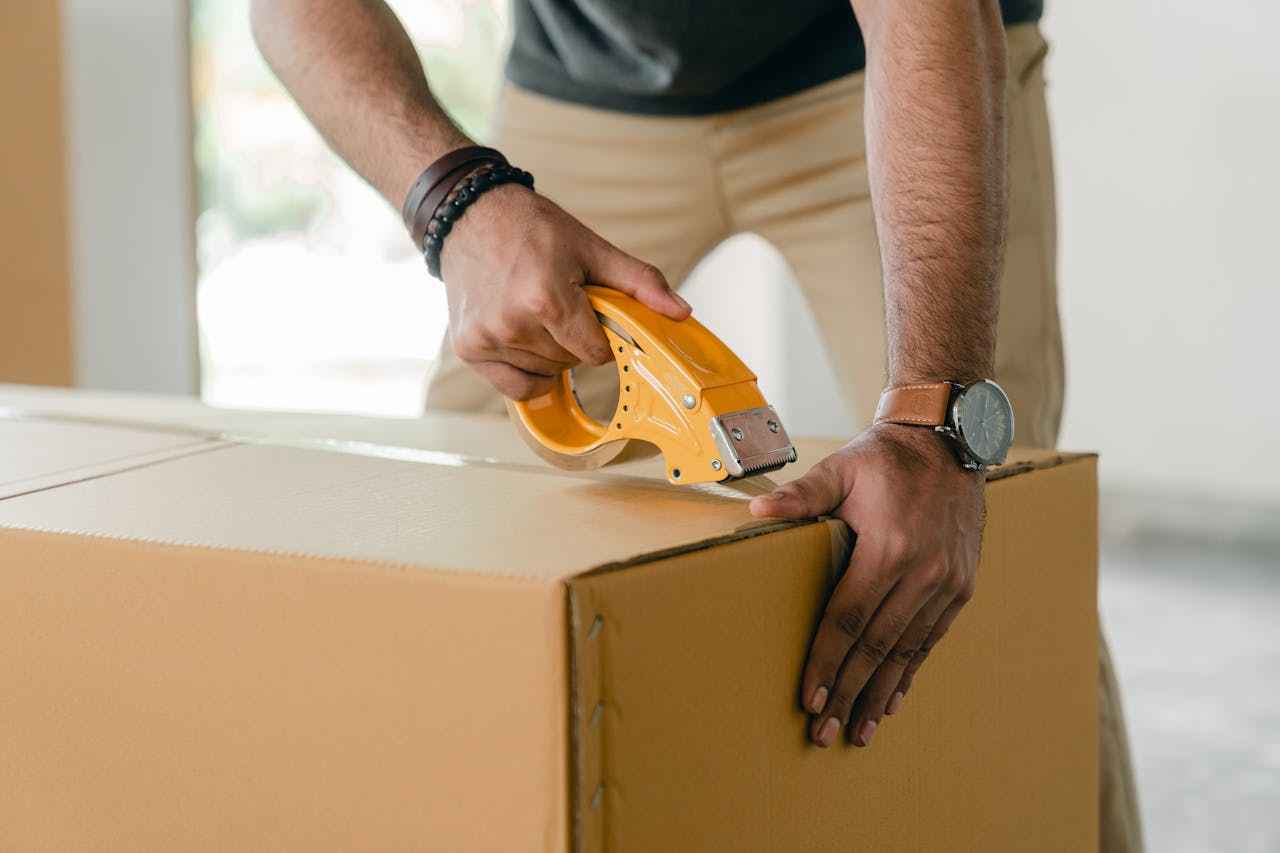
Heavier items go at the bottom, with lighter or more fragile objects stacked above. Fill gaps with additional cushioning to prevent movement. Secure the box with strong tape along seams and edges. Wooden crates may require screws or nails for added stability.
Mark each package with handling instructions, orientation arrows, and “Fragile” notices. Clear labelling ensures that transport staff recognise the care needed. Export packing is most effective when packaging, cushioning, and labelling work together to protect the items.
Document and Label for Safe Transit
Documentation is an essential part of export packing. Include a packing list, item descriptions, and any special handling instructions. For valuable items, note serial numbers, insurance information, and declared value.
Labelling is equally important. Use bold, waterproof markers or printed stickers. Arrows for orientation, “Fragile” notices, and handling instructions should be visible on multiple sides. This guides carriers during loading and unloading.
Proper documentation and labelling complement physical packing. Together, they minimise damage, simplify customs clearance, and facilitate insurance claims if necessary. Every careful step taken in export packing improves the chances that fragile and valuable items arrive safely at their destination.
Conclusion: Careful Export Packing Protects Your Investment
Export packing fragile and valuable items is a meticulous process. From assessing the items to choosing the right materials, wrapping, cushioning, and labelling, every stage contributes to safe transit. Cutting corners or skipping steps increases the risk of damage, delays, and additional costs.
Following these steps ensures that delicate items are protected against shocks, vibrations, and environmental hazards. Combining sturdy containers, adequate cushioning, and clear labelling maximises safety during transit. Proper documentation supports claims and provides peace of mind.
For anyone shipping delicate or valuable goods, professional knowledge of export packing methods is invaluable. By taking the time to prepare, wrap, cushion, and label correctly, the risk of damage is minimised, helping items arrive safely and intact.
