

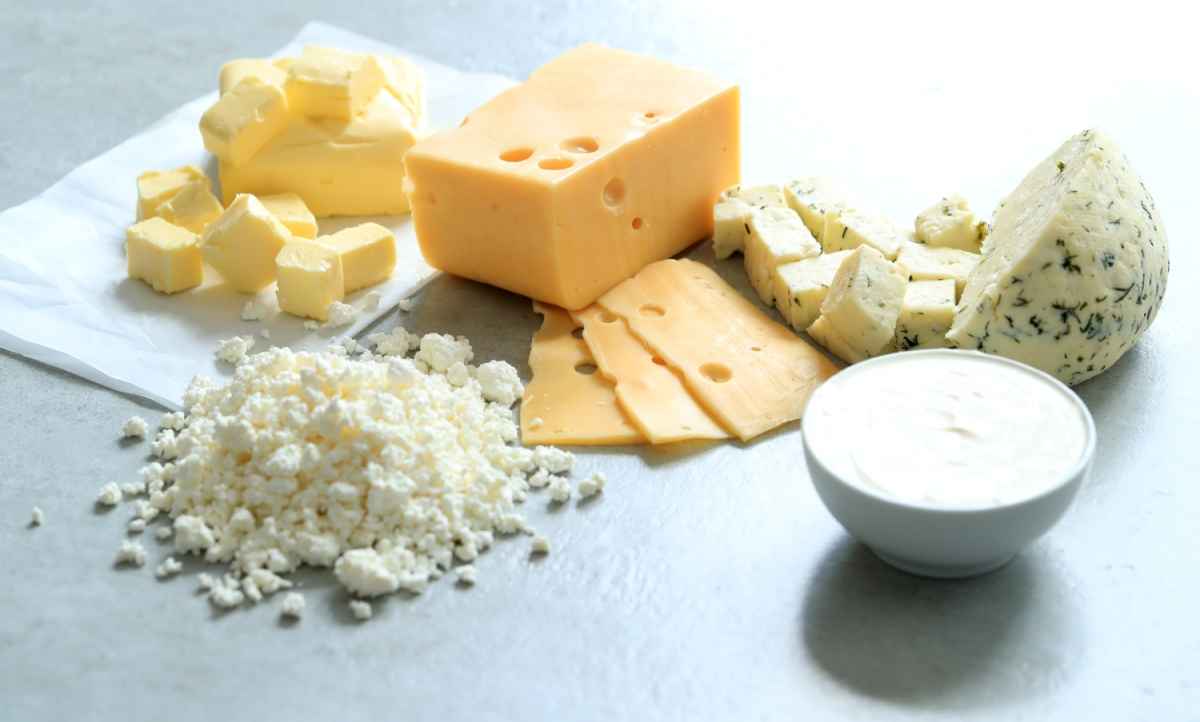
We are familiar with cottage cheese and cream cheese, but nowadays, a wide range of soft cheese is also available in the market.
The Cream cheese and mascarpone are predominantly prepared with cream. When you beat cream cheese, you can get a similar texture to whipped cream, and the cream cheese is sweeter and fluffier.
Goat cheese and feta cheese make a large portion of soft cheese. Although soft cheese is better for you, cream cheese is most commonly found in red velvet cakes, sweets, and cupcakes.
However, a few distinctions can appear inconsequential to the untrained eyes. But to the trained palate, cream cheese and soft cheese are distinguishable.
Fresh soft cheese that contains high levels of moisture and is easily spreadable is known as soft cheese. But in contrast with matured soft cheese, unripe soft cheese is milky and mild in flavour.
In matured soft cheese, mould grows inside the cheese which impacts the production of a more complex flavour of the cheese.
So, if you are interested to know how you can distinguish cream cheese and soft cheese, then this article is for you.
Here, in this article, we are going to wrap up is soft cheese the same as cream cheese, is Philadelphia’s original soft cheese cream cheese, and can soft cheese be used instead of cream.
So, let’s get started!
Table of Contents
Understanding Cream Cheese
Cream cheese, as the name suggests, is a soft, mild-tasting cheese made from a combination of cream and milk.
It boasts a smooth and spreadable texture, making it a versatile ingredient in both sweet and savoury dishes. Originating in the United States in the 19th century, cream cheese has become a staple in kitchens worldwide.
Characteristics of Cream Cheese
- Texture: Cream cheese is known for its velvety and creamy consistency, making it ideal for spreading on bagels, crackers, or as a base for dips.
- Flavour Profile: The flavour of cream cheese is mild and slightly tangy, providing a neutral base for various culinary creations.
- Common Uses: It is frequently employed in desserts like cheesecakes, and frostings, and as a delectable topping for baked potatoes.
Exploring the World of Soft Cheese
Soft cheese, on the other hand, is a broader category that encompasses a variety of cheeses with diverse textures, flavours, and origins.
Unlike cream cheese, soft cheese is not limited to a specific production method, allowing for a wide array of options to tantalize the taste buds.
Characteristics of Soft Cheese
- Diversity: Soft cheeses come in various forms, including Brie, Camembert, and feta, each offering a unique taste and texture.
- Texture: The texture of soft cheese can range from creamy and spreadable to crumbly, depending on the type.
- Flavour Profile: Soft cheeses exhibit a broader range of flavours, from mild and buttery to pungent and earthy, providing a rich palate for culinary experimentation.
Is soft cheese the same as cream cheese?
You can see there are various types of soft cheese worldwide. Soft cheese is prepared from cow, goat, or sheep’s milk. Ricotta, gorgonzola, and cottage cheese are very few examples of soft cheese.
There is no other cuisine that is comparable to this cheese’s unique flavour and texture. The texture is full of sour creaminess.
The source of the tang in the cream cheese is Lactic acid bacteria. The cream cheese is often rich in fat and you can spread the cheese very easily. Just like apple pie, cream cheese is as British as ever.
In contrast to soft cheese such as Neufchatel, and brie, cream cheese cannot be naturally ripened and also you can’t consume cream cheese as fresh. Mascarpone and Boursin are more similar in taste, texture, and production procedures.
If you beat cream cheese you can get a similar texture of whipped cream that is fluffier and sweeter.
Key Differences
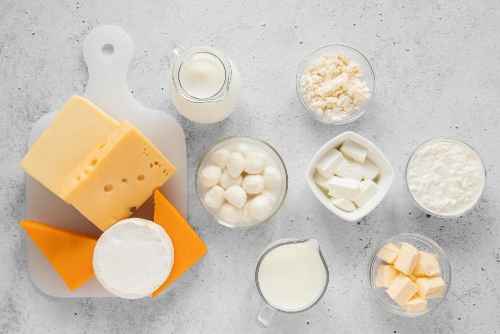
Now that we have a basic understanding of both cream cheese and soft cheese, let’s pinpoint the key differences that set them apart:
- Ingredients: Cream cheese primarily consists of cream and milk, whereas soft cheeses vary in their ingredients, which may include cow, goat, or sheep milk.
- Texture: While both are considered soft cheeses, cream cheese maintains a consistently smooth texture, whereas soft cheeses can range from creamy to crumbly.
- Flavour: Cream cheese offers a mild and tangy flavour, while soft cheeses span a broader spectrum, appealing to those who enjoy a more diverse and complex taste experience.
Cream cheese and soft cheese:
Cream cheese is a type of fresh cheese, and the FDA has defined cream cheese as containing 33% fat with a moisture content of 55% or less. The Cream cheese is soft, mild, and smooth and it is comparable to mascarpone cheese in flavour and texture.
The recipe for cream cheese is much simpler. Lactic acid bacteria are being added to cream, sometimes you can add with a combination of milk and cream. For this, the pH of the cream will decrease.
So, it makes the cream coagulate. Simply it will be cut into curd and whey. Then the whey is drained out and you need to apply heat on the curd, stabilizers need to be added, and your cream cheese is ready.
So, you can make cream cheese at your home as the recipe is quite simple.
Whereas, soft cheese is any fresh or younger cheese with a high moisture content that makes the cheese much soft. Also, you can spread it over very easily.
Ripen soft cheese is aged for several weeks which allows mould to grow inside the cheese and enhance more complex flavour.
But unripened cheese has a milky and mild flavour. you can make soft cheese in a relatively short time and has a definite soft, creamy, and running texture. Feta, Brie, ricotta, Chevre, gorgonzola are the few types of soft cheese.
Is Philadelphia Original soft cheese cream cheese?
Most of the large stores in the UK keep cream cheese which means white-coloured cream cheese. In the United Kingdom, if you search by the words” cream cheese” then most of the supermarket’s sites will pull up Philadelphia and soft cheese.
Since the Philadelphia original soft is sold worldwide, this cream cheese is the most well-known brand in the world. Philadelphia cream cheese is levelled as cream cheese on its packaging.
In the United Kingdom, cream cheese has a fat content of 55% which is why the country refers to this cheese as “soft white cheese”.
The part of the packaging of the Philadelphia cream cheese comes with plastic resealable containers levelled as “cream cheese spread”.
Can soft cheese be used instead of cheese cream?
Sometimes it is essential to use heavier cream, and it is for a justified reason. Ice creams, sauces, soup, homemade food, and sour cream; all contain this ingredient.
A high-fat fresh milk is used to make this cream. It is known as heavy whipping cream.
If you compare this heavier whipped cream with other types of cream such as half and half whipped cream, you can find that heavy whipped cream has a higher fat content.
The fat contained in heavy whipped cream is 36 to 40 per cent. So, the heavy cream is used to make the cream cheese. However, cream cheese has an elevated fat content and is excellent for cupcakes, pepper jelly, caramel sauce, toffee bites, and many more.
The soft cheese is made of raw milk into feta, blue cheese, and some other soft cheeses. Cream cheese is sweet in flavour whereas soft cheese is not.
Cream cheese is used for making sweet items but probably not soft cheese. Soft cheese is used in fruits and sandwiches. Sometimes in chicken, muffins, etc.
So, it is suggested, if possible you can check some other substitutes for the cream course instead of soft cheese because of the different texture and taste.
Frequently Asked Questions
What makes cream cheese so creamy?
Cream cheese gets its creamy texture from a higher fat content, typically derived from cow’s milk.
Can I substitute soft cheese for cream cheese in recipes?
While they share similarities, it’s essential to consider the specific texture and flavour requirements of your recipe. Experiment cautiously.
Are there lactose-free options for cream and soft cheeses?
Yes, many brands offer lactose-free versions of both cream and soft cheeses, catering to dietary preferences.
Do cream and soft cheeses offer the same nutritional benefits?
While both provide essential nutrients, the specific nutritional content can vary. Always check product labels for accurate information.
What is the best way to store cream and soft cheeses?
Store both types in the refrigerator, tightly wrapped to prevent moisture and odoUrs from affecting their flavoUrs.
Can I freeze cream and soft cheeses?
Freezing may alter the texture, especially for cream cheese. Soft cheeses may fare better but can still experience changes. Use frozen cheeses in cooked dishes for the best results.
What is called soft cheese?
A soft cheese is made without squeezing the curd to crush out the whey, or milk fluids, bringing about a cheese with higher dampness content. Soft cheeses are just somewhat matured or not matured by any stretch of the imagination, giving them a gentler surface yet a more limited timeframe of realistic usability.
Conclusion:
Cream cheese is a type of soft cheese. Whereas, there is little difference in taste, texture, and formation. Cream cheese has a moderate, sweet taste with an enjoyable slight tang.
And soft cheese is smooth and spreadable, and comes in a variety of flavours goes appropriate with herbs, and fruits.
In this article, we have discussed all the varieties and properties of cream cheese and soft cheese. Hope, you have acquired more knowledge regarding the difference between cream cheese and soft cheese.
