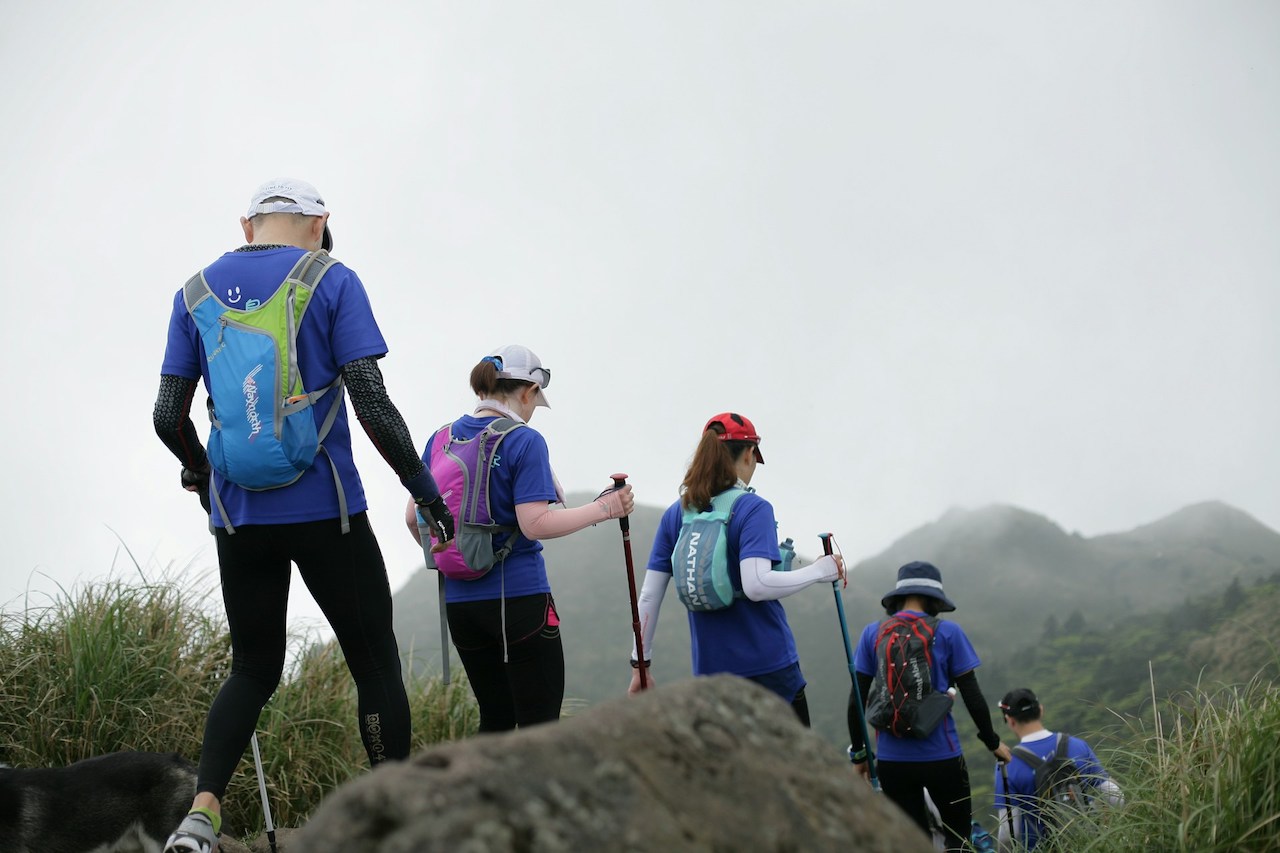
Expectations that employees have around their workplace are more unique than ever before. On the one hand, there is still a lot of pull towards working from home, flexi-time, and being more autonomous – and with that, communication is a priority. But on the other hand, many are reluctant to leave the old way of working behind. This is why that, regardless of arrangements, a once-a-year hiking trip can be a huge benefit to the modern team.
Table of Contents
Hiking strips away the artificial hierarchies that often dominate office environments. When facing real challenges on the trail together, the marketing director and junior analyst become equals, and natural leaders start to come out the woods.
While it’s true that walking increases your creativity, much of the benefits are the social group dynamics, where employees have a unique opportunity to show their potential and problem solving skills. For those feeling trapped in limited roles, they can really seize this moment.
The Lake District is a great setting for this, as teams can tackle routes like Helvellyn or Scafell Pike and will be forced to collaborate to navigate weather changes and support struggling colleagues. It’s a great ice breaker.
Unlike more manufactured team-building exercises, hiking is a genuine and natural space that requires genuine interdependence. When team members begin to rely on each other for navigation and safety, their motivation and trust develops organically.
The psychological concept of “misattribution of arousal” also works in hiking’s favour. The elevated heart rate and adrenaline from physical exertion creates positive associations with fellow team members, strengthening interpersonal bonds. Companies like Orbis Ways do a fine job at organising this for employers, particularly with longer routes that require accommodation handling throughout.
Hiking is all about clear, concise communication under pressure – else it’s a very dangerous activity. Team members must articulate directions and express concerns about route decisions. Even the most newbie of hikers can suddenly realise they have natural orienteering skills, or perhaps a photographic memory of what turns they took. Here, it will be on them to share their opinions, make it clear about their confidence level, but also listen to others.
Weather conditions add another layer, because when visibility drops on Yorkshire’s Three Peaks or rain threatens on Snowdon’s slopes, teams must be more efficient in their communication to maintain safety and morale.
The benefits really do go beyond feelgood moments. PwC’s workplace studies show that employees who participate in outdoor team building report 31% higher job satisfaction and 19% improved collaboration scores.
British businesses operating in sectors from financial services to manufacturing have all seen the tangible improvements following hiking-based team building. Reduced sick leave, increased employee retention, and better project completion rates.
Hiking is a chance to step away from the PowerPoint presentations, yet to lean into these soft skills that you want to developer as an employer. It’s not only more functional than a trip to Dubai in that sense, but a more gratifying one, as some sense of achievement is realised through adversity and camaraderie.
Bread and other foods made with cereals are essential in the diet of children. They…
KFC is also introducing an entirely pickle-based menu. The Pickle mania menu will be implemented…
Why Proper Export Packing Matters Exporting fragile and valuable items requires careful planning. Incorrect packing…
Pallet racking plays a central role in how a warehouse functions day to day. The…
Owning commercial property represents a significant financial and operational commitment. Whether the asset is a…
Exploring island beaches, diving locations, or the energetic city life are all amazing experiences when…
