As an employer, you have a duty of care and a responsibility to ensure that all members of your team are safe. For those working within an industrial environment, there are a wide number of hazards.
When heavy lifting and machinery are involved, accidents and damage can occur. However, with the right understanding of safety guidelines, these can be avoided.
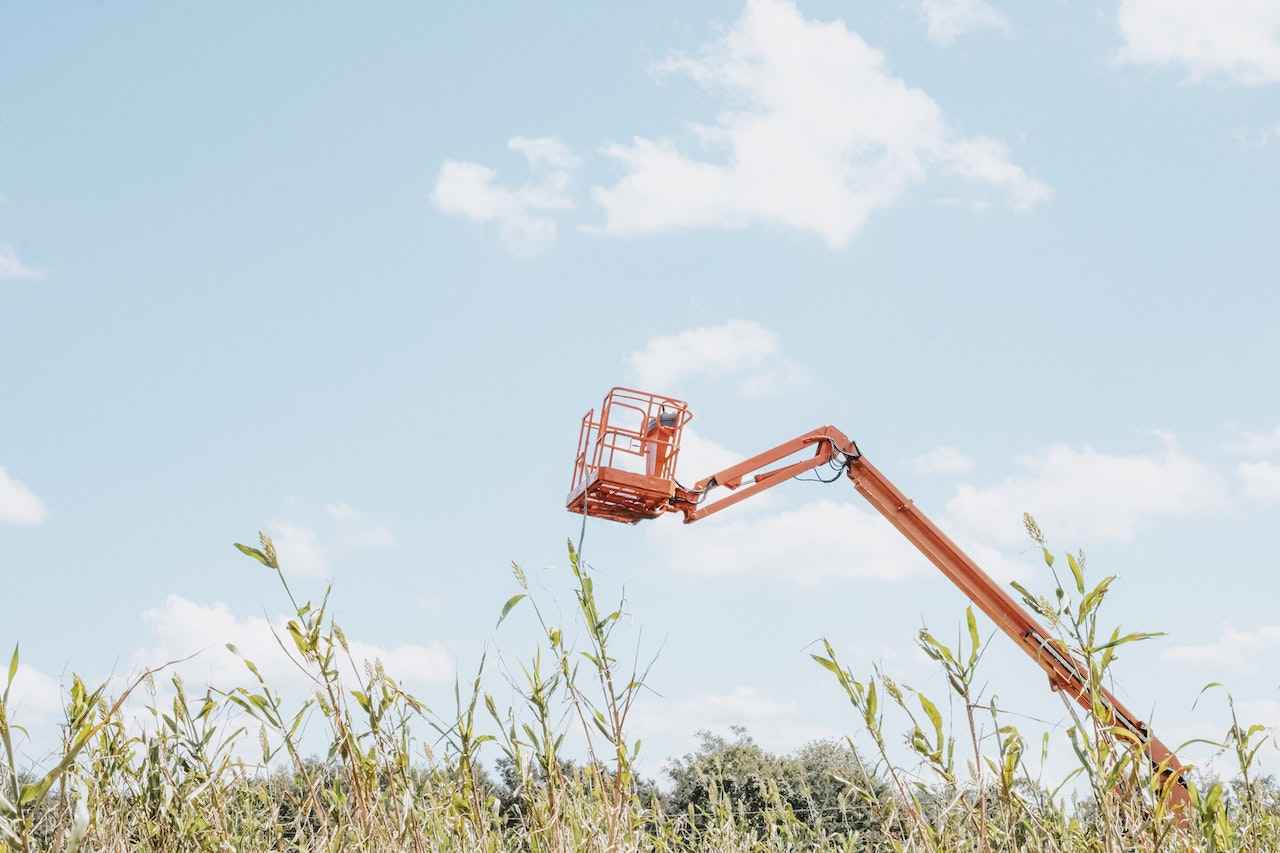
Using machinery to lift heavy goods such as goods lifts and forklifts can provide a safe and efficient way of working, provided safety guidelines are followed.
Table of Contents
By following the rules of these safety laws and guidelines, you can ensure that your teams of loading and warehouse operatives are safe while operating loading machinery.
PUWER, the Provision and Use of Work Equipment Regulations (1998) outline ways in which to ensure work equipment is safe to use. These regulations require employers and others who are responsible for such equipment to comply with certain practice standards.
This includes making sure that the equipment is fit for purpose, maintained in a safe condition, inspected and serviced on a regular basis, health and safety measures are used and only those who are trained are given access to use the equipment.
While LOLER, The Lifting Operations and Lifting Equipment Regulations (1998) advise on the safe use of lifting equipment and safe manual lifting of goods.
This suggests that lifting equipment must be properly manned and appropriately supervised in order for the lifting of goods to be carried out safely.
As an employer, it is therefore your responsibility to adhere to such regulations. Not only will this ensure you are abiding by the safety laws, but you are also keeping your teams safe while operating machinery.
Below are some important safety dos and don’ts that you should follow and inform your employees of:
When operating lifting machinery
Older people across the UK could receive up to £300 towards their heating bills this…
Making Tax Digital for Income Tax is changing how self-employed people keep records and report…
Whatever market sector your business operates in, brand recognition is the golden ticket which makes…
Pressure is mounting on Prime Minister Andy Burnham to decide the future of the NHS's…
Clinics in established medical tourism markets commonly bundle non-clinical services into treatment pricing under the…
A parliamentary by-election does not normally make a London neighbourhood unsafe. For people living, working…
