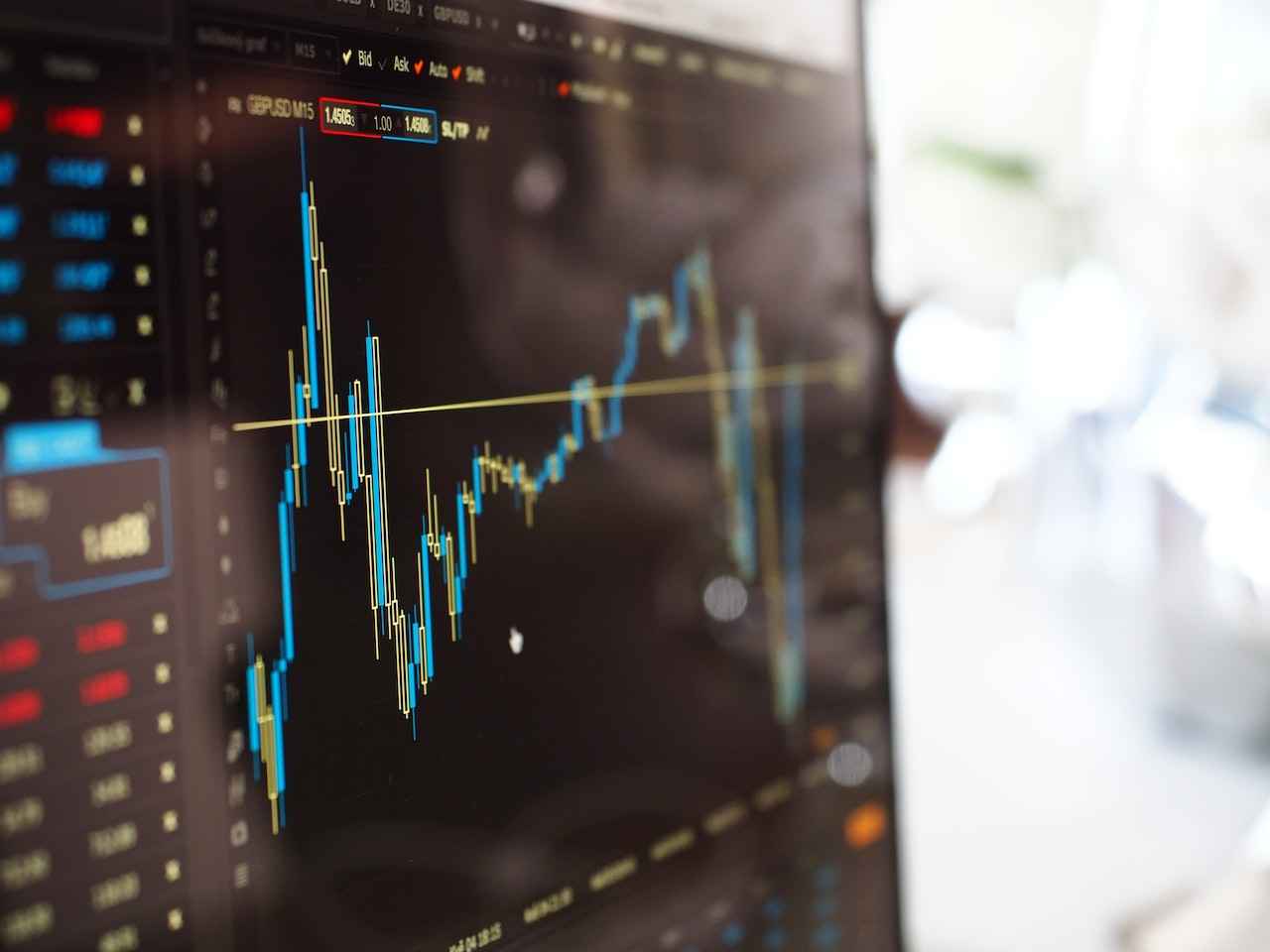
The FTSE 100 is a stock index that monitors the performance of the top 100 London Stock Exchange businesses.
As it has been gradually rising over the last year, investors and experts are growing concerned about a possible fall soon.
These and other variables, such as inflation and interest rates, all lead to heightened market volatility and possible collapses.
Investors must grasp these dangers and take proper precautions to preserve their assets before it is too late.
Table of Contents
When it comes to assessing the likelihood of a market crash, investors should keep an eye on several key indicators.
High levels of debt in the economy, rising interest rates, and slowing economic growth are all factors that can contribute to a sudden correction or crash in the stock market.
Additionally, prolonged periods of growth can lead to overinflated stock market valuations, making it important for investors to stay vigilant and informed.
It’s also important for investors to consider global events that may impact the markets, such as trade wars or political instability. By paying attention to these warning signs, investors can better prepare themselves for any potential storms that may hit the FTSE 100.
One potential indicator of a market crash that investors may not always consider is insider selling. When executives or insiders within a company sell their own shares, it could be a sign that they believe the stock is overvalued and due for a correction.
By keeping an eye on insider selling, investors can gain valuable insight into the future prospects of a company and make more informed investment decisions.
This weekend Switzerland’s biggest bank, UBS, bought Credit Suisse bank, for 3 billion CHF, to prevent it from going bankrupt with contagion effects to the rest of world banking.
The latest Credit Suisse crisis is another possible risk factor that might lead to a fall in the FTSE 100 Index. The bankruptcy of Archegos Capital Management, a family business that had made substantial investments in risky companies using borrowed funds, has left the Swiss bank facing sizable losses.
One of the institutions engaged in these transactions was Credit Suisse, and it may have suffered losses of up to $4 billion.
Concerns about the soundness of the banking industry as a whole have been raised by this incident, which may result in more regulatory scrutiny and stricter lending standards.
If other banks become embroiled in similar scandals or face financial difficulties, it could further destabilize the markets and increase the likelihood of an FTSE 100 crash.
As such, investors should keep an eye on developments at Credit Suisse and other major financial institutions to assess their potential impact on market stability.
Investors may take sensible measures to reduce their losses and safeguard their investments even if it is impossible to completely forecast or prevent a market meltdown.
One strategy is to diversify their holdings across several industries, asset classes, and geographical areas. This can lessen the effects of a downturn in any one firm or industry.
Investors want to think about lowering their exposure to risky assets like equities with high price-to-earnings ratios or businesses with a lot of debt.
Also, it’s critical for investors to think strategically and refrain from acting hastily in response to short-term market swings. Investors might be more ready for any prospective FTSE 100 meltdown by practicing discipline and keeping a well-diversified portfolio.
While becoming ready for a possible FTSE 100 meltdown is crucial, it’s also critical to keep in mind that markets can bounce back over time.
Over the past years, even when significant collapses occur, the market eventually recovers and expands.
There are different warning signs that a potential crash of the FTSE 100 may occur. Investors should take practical steps to protect their portfolios, such as diversifying their investments and reducing exposure to high-risk assets.
Moreover, it’s important to keep an eye on the latest world events and possible financial crises, like the ones presently impacting Silicon Valley Bank and Credit Suisse. Investors should prepare for any potential future market volatility or collapse.
Older people across the UK could receive up to £300 towards their heating bills this…
Making Tax Digital for Income Tax is changing how self-employed people keep records and report…
Whatever market sector your business operates in, brand recognition is the golden ticket which makes…
Pressure is mounting on Prime Minister Andy Burnham to decide the future of the NHS's…
Clinics in established medical tourism markets commonly bundle non-clinical services into treatment pricing under the…
A parliamentary by-election does not normally make a London neighbourhood unsafe. For people living, working…
