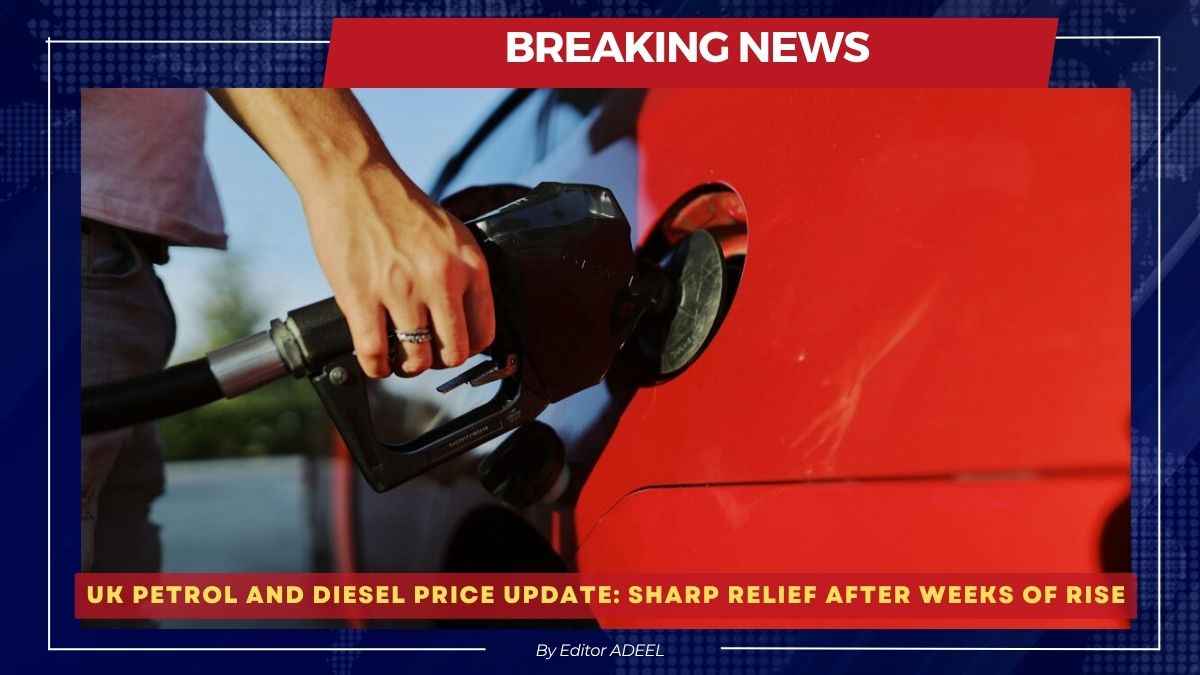
The prices of fuel in the UK have been the biggest issue among motorists in the past few weeks, as the price of fuel, be it petrol or diesel, has soared and then started to show signs of calming down. Recent information and market trends indicate that prices are still high, but some relief is to be expected in the future. According to recent fuel index data, the average price of petrol in the UK has risen to about 158.3 pence per litre, and diesel has shot to about 191.2 pence per litre as of mid-April 2026.
These numbers represent a huge growth compared to the last month, and diesel in particular showed more drastic growth because of the lack of supply and high demand. Geopolitical tensions have also contributed significantly to the spike in fuel prices with the Iran conflict and unrest in the Strait of Hormuz, which is a major oil shipping route in the world.
Fears of supply disruptions drove crude oil prices above 100 per barrel at the beginning of April, which is directly contributing to a rise in the pump prices in the UK.
The drivers have experienced the effect firsthand. It is now much more costly to fill an average car’s family tank with the petrol tank, costing around £87, and the diesel tank is around 100 in some cases. The increasing prices have been a major burden on already tight household budgets due to inflation and energy prices.
Nonetheless, we are getting indications that the worst might be behind us, at least in the short-term.
The latest news in the world markets has seen a reduction in the price of oil since Iran has made it known that the Strait of Hormuz would not be closed to commercial shipping. With this announcement, there was a sudden decline in crude prices, with Brent crude declining significantly within one day.
This has seen wholesale fuel prices start falling, and hopes that within days the price of petrol and diesel at UK forecourts will be falling. According to industry analysts, particularly RAC analysts, prices of pumps usually fall behind those in wholesale, yet consumers should soon experience the changes.
Although this may be a relief, the overall picture is still unclear. Geopolitical events continue to be very volatile in the global energy markets, and any additional upheaval may soon derail the downward trend. The International Monetary Fund also cautioned that the current tensions might keep on affecting the inflation and economic stability in the UK.
Meanwhile, it is being recommended that drivers shop around to find the best prices through fuel comparison tools and to implement fuel-efficient driving habits.
Although the prices can slightly alleviate in the next few weeks, experts warn that volatility will most probably continue to be a characteristic of the fuel market in 2026. Until, at least, the motorists of the UK can look forward to cautious optimism since declining oil prices are providing them with a glimmer of hope after a long spell of increasing fuel prices.
UK Petrol and Diesel Prices: Relief Expected After Weeks of Rising Costs
 By Editor